Insights & Tips
Uneven Skin Tone: Why Your Skin May Look Different Across Your Face
Uneven Skin Tone implies for brighter and duller facial skin.
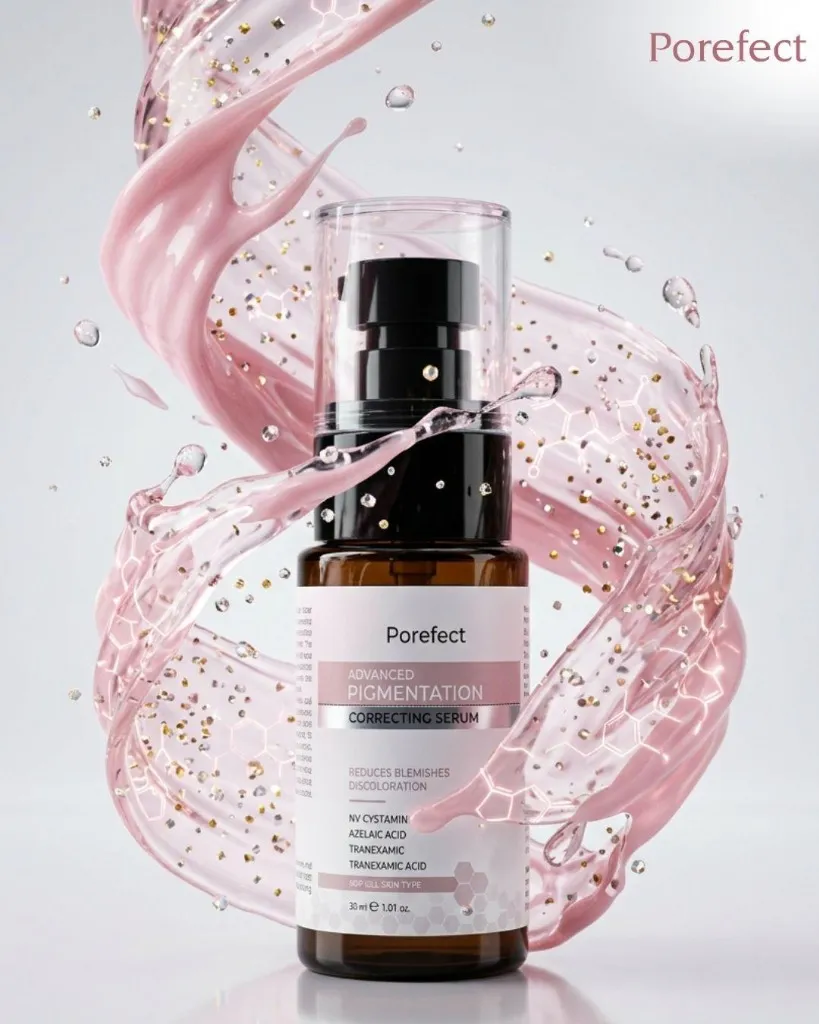 Uneven Skin Tone implies for brighter and duller facial skin. Your forehead looks darker than your cheeks Or skin appears brighter in some areas and duller in others. This is often described as uneven skin tone — a common concern where different parts of the skin appear inconsistent in colour, brightness or overall appearance.
It can be cured with certain lifestyle changes. Uneven skin tone is often influenced by everyday factors that can be understood and managed with the right skincare habits.
---
## What Does Uneven Skin Tone Look Like?
When people hear the term "uneven skin tone," they often think of pigmentation alone. In reality, uneven skin tone can show up in several different ways and may affect how bright, balanced or healthy your skin appears overall.
You may be experiencing uneven skin tone if you notice:
-
**🔸 Darker Areas Around The Mouth**
Some people find that the skin around their mouth appears noticeably darker than the rest of their face, creating an uneven complexion.
-
**🔸 Patchy Skin Colour**
Certain areas of the face may appear lighter or darker than surrounding skin, making the overall skin tone look less uniform.
-
**🔸 Post-Acne Marks**
Even after a breakout has healed, lingering marks can leave parts of the skin looking uneven for weeks or months.
-
**🔸 Dull-Looking Cheeks Or Forehead**
When some areas of the face appear less radiant than others, the skin may look tired, uneven or lacking in brightness.
-
**🔸 Areas That Tan More Easily Than Others**
Exposure to sunlight can sometimes cause certain parts of the face to darken more quickly, resulting in visible differences in skin tone.
-
**🔸 Skin That Lacks Overall Radiance**
Sometimes uneven skin tone isn't about one specific mark or patch—it's a general feeling that the skin looks dull, tired or less vibrant than usual.
The good news is that understanding what type of unevenness you're experiencing can help you choose skincare habits and products that better support your skin's individual needs.
---
## Why Does Skin Tone Become Uneven?
### Your Skin Is Constantly Responding To The World Around You
Uneven skin tone rarely has a single cause. In most cases, it develops gradually as your skin responds to everyday factors such as sunlight, breakouts, environmental stress and lifestyle habits.
Understanding these triggers can help you make more informed choices for your skin.
### ☀ Daily Sun Exposure
Your Skin Remembers More Sun Than You Think
You don't need to spend hours at the beach for the sun to affect your skin. Daily activities such as commuting, driving, walking outdoors or even sitting near a window can expose your skin to UV rays. Over time, this exposure may encourage the production of additional melanin, making some areas of the face appear darker than others. This is one of the most common reasons people notice an uneven complexion, facial pigmentation or patchy skin tone.
### 🔥 Previous Breakouts
Sometimes Acne Leaves More Than A Temporary Spot
For many people, the breakout disappears but the visible reminder remains. As the skin heals after acne, it may produce extra pigment in the affected area, leaving behind post-acne marks that can make the skin appear uneven. These marks are particularly common in melanin-rich skin and may take time to become less noticeable.
### 🌆 Pollution & Environmental Stress
Modern Living Can Take A Toll On Your Skin
Your skin faces environmental stress every day—from pollution and dust to heat and other external aggressors. Research published in dermatology journals suggests that environmental pollutants may contribute to oxidative stress, which can affect overall skin appearance and radiance. Over time, this may leave the complexion looking dull, tired or less uniform.
### 😴 Lifestyle Factors
Sometimes Your Skin Reflects Your Daily Habits
Your skin is often influenced by what's happening beyond your skincare routine. Lack of sleep, ongoing stress, dehydration and inconsistent skincare habits can all affect how fresh, balanced and radiant your skin appears. While these factors may not directly cause pigmentation, they can contribute to a complexion that looks uneven, dull or fatigued.
Healthy-looking skin is often supported by simple daily habits repeated consistently over time.
## Is Uneven Skin Tone Common In Indian Skin?
### Understanding The Role Of Melanin
Yes, uneven skin tone is a common concern among many Indians.
Indian skin is naturally rich in melanin—the pigment responsible for giving skin its unique colour and helping protect it from the effects of sun exposure. While melanin plays an important protective role, it can also make changes in skin tone more visible after acne, irritation, inflammation or prolonged exposure to sunlight.
This is why a small breakout, minor skin irritation or even everyday sun exposure can sometimes leave behind noticeable differences in skin tone that seem to linger longer than expected.
The good news is that understanding how your skin responds is the first step towards supporting a more balanced, even-looking complexion over time.
---
## Small Habits That Can Help Support A More Even-Looking Complexion
Healthy-looking skin is rarely the result of one product or one treatment. More often, it's built through simple habits practiced consistently over time.
**☀ Protect Your Skin From Daily Sun Exposure**
Sunlight is one of the most common factors associated with uneven skin tone and facial pigmentation. Wearing sunscreen daily can help protect your skin from UV-related darkening and support a more even-looking complexion.
**🍊 Choose Antioxidant-Rich Skincare**
Ingredients such as Vitamin C are commonly used in skincare routines designed to support brighter-looking skin and improve overall radiance. Antioxidants also help protect the skin from everyday environmental stressors.
**🔄 Stay Consistent With Your Routine**
Healthy-looking skin often responds better to consistency than constant experimentation. Giving your skincare routine time to work can be more beneficial than frequently switching between products.
**😴 Prioritize Sleep, Hydration & Overall Wellness**
Your skin often reflects your daily habits. Quality sleep, adequate hydration and a balanced lifestyle can all contribute to skin that looks fresher, healthier and more balanced.
**💛 Be Patient With Your Skin**
Uneven skin tone doesn't usually develop overnight, and improvement often takes time. Small, consistent habits can make a meaningful difference in supporting healthier-looking skin over the long term.
---
## Focus on “Better Skin” Goal Than "Perfect Skin"
In a world filled with filters, edited photos and unrealistic beauty standards, it's easy to believe that flawless skin should be the goal.
But real skin tells a different story.
Skin naturally has texture, pores, variation and character. It responds to life experiences, changing seasons, stress, sunlight and the passage of time. Small differences in skin tone don't make your skin less healthy, less beautiful or less worthy of confidence.
Instead of chasing perfection, focus on supporting your skin with habits that help it look and feel its best. Consistent skincare, daily sun protection, healthy lifestyle choices and patience can all contribute to a healthier-looking, more balanced complexion.
Because the goal isn't perfect skin. The goal is skin that feels healthy, comfortable and confidently yours.
---
According to guidance published by the American Academy of Dermatology, daily sun protection is considered an important part of supporting pigmentation-prone skin and Research published in the Journal of Clinical and Aesthetic Dermatology has explored the role environmental stressors may play in overall skin appearance.
### Reviewed Against Trusted Dermatology Resources
At Porefect, we believe skincare education should be accurate, balanced and easy to understand. Our educational content is developed using publicly available information from respected dermatology organizations, peer-reviewed research and established skincare resources. Every article is reviewed to help ensure it reflects current understanding of common skin concerns and healthy skincare practices.
#### Sources Commonly Referenced
- American Academy of Dermatology (AAD)
- British Association of Dermatologists (BAD)
- Skin of Color Society
- Journal of Clinical and Aesthetic Dermatology (JCAD)
- International Journal of Women's Dermatology
- Peer-reviewed dermatology and skincare research publications
#### Our Content Philosophy
- ✓ Education before promotion
- ✓ Realistic expectations over miracle claims
- ✓ Science-backed information explained in simple language
- ✓ Respect for the diversity of Indian skin
- ✓ Focus on healthy-looking skin, not perfection
#### Important Disclaimer
The information provided in this article is intended for educational purposes only and should not be considered medical advice, diagnosis or treatment. Skin concerns and individual responses to skincare can vary. Readers should consult a qualified healthcare professional or dermatologist for personalized guidance.
#### About Porefect
Porefect is dedicated to helping people better understand common skin concerns through accessible, evidence-informed skincare education. Our goal is simple: to make skincare less confusing and more empowering by providing practical information, realistic expectations and solutions designed for real skin.
Porefect – Where Real Skin Finds Real Solutions.
{/* Keywords implicitly added to SEO but we can leave a small hidden tag or just let them exist in the text organically */}
Uneven Skin Tone implies for brighter and duller facial skin. Your forehead looks darker than your cheeks Or skin appears brighter in some areas and duller in others. This is often described as uneven skin tone — a common concern where different parts of the skin appear inconsistent in colour, brightness or overall appearance.
It can be cured with certain lifestyle changes. Uneven skin tone is often influenced by everyday factors that can be understood and managed with the right skincare habits.
---
## What Does Uneven Skin Tone Look Like?
When people hear the term "uneven skin tone," they often think of pigmentation alone. In reality, uneven skin tone can show up in several different ways and may affect how bright, balanced or healthy your skin appears overall.
You may be experiencing uneven skin tone if you notice:
-
**🔸 Darker Areas Around The Mouth**
Some people find that the skin around their mouth appears noticeably darker than the rest of their face, creating an uneven complexion.
-
**🔸 Patchy Skin Colour**
Certain areas of the face may appear lighter or darker than surrounding skin, making the overall skin tone look less uniform.
-
**🔸 Post-Acne Marks**
Even after a breakout has healed, lingering marks can leave parts of the skin looking uneven for weeks or months.
-
**🔸 Dull-Looking Cheeks Or Forehead**
When some areas of the face appear less radiant than others, the skin may look tired, uneven or lacking in brightness.
-
**🔸 Areas That Tan More Easily Than Others**
Exposure to sunlight can sometimes cause certain parts of the face to darken more quickly, resulting in visible differences in skin tone.
-
**🔸 Skin That Lacks Overall Radiance**
Sometimes uneven skin tone isn't about one specific mark or patch—it's a general feeling that the skin looks dull, tired or less vibrant than usual.
The good news is that understanding what type of unevenness you're experiencing can help you choose skincare habits and products that better support your skin's individual needs.
---
## Why Does Skin Tone Become Uneven?
### Your Skin Is Constantly Responding To The World Around You
Uneven skin tone rarely has a single cause. In most cases, it develops gradually as your skin responds to everyday factors such as sunlight, breakouts, environmental stress and lifestyle habits.
Understanding these triggers can help you make more informed choices for your skin.
### ☀ Daily Sun Exposure
Your Skin Remembers More Sun Than You Think
You don't need to spend hours at the beach for the sun to affect your skin. Daily activities such as commuting, driving, walking outdoors or even sitting near a window can expose your skin to UV rays. Over time, this exposure may encourage the production of additional melanin, making some areas of the face appear darker than others. This is one of the most common reasons people notice an uneven complexion, facial pigmentation or patchy skin tone.
### 🔥 Previous Breakouts
Sometimes Acne Leaves More Than A Temporary Spot
For many people, the breakout disappears but the visible reminder remains. As the skin heals after acne, it may produce extra pigment in the affected area, leaving behind post-acne marks that can make the skin appear uneven. These marks are particularly common in melanin-rich skin and may take time to become less noticeable.
### 🌆 Pollution & Environmental Stress
Modern Living Can Take A Toll On Your Skin
Your skin faces environmental stress every day—from pollution and dust to heat and other external aggressors. Research published in dermatology journals suggests that environmental pollutants may contribute to oxidative stress, which can affect overall skin appearance and radiance. Over time, this may leave the complexion looking dull, tired or less uniform.
### 😴 Lifestyle Factors
Sometimes Your Skin Reflects Your Daily Habits
Your skin is often influenced by what's happening beyond your skincare routine. Lack of sleep, ongoing stress, dehydration and inconsistent skincare habits can all affect how fresh, balanced and radiant your skin appears. While these factors may not directly cause pigmentation, they can contribute to a complexion that looks uneven, dull or fatigued.
Healthy-looking skin is often supported by simple daily habits repeated consistently over time.
## Is Uneven Skin Tone Common In Indian Skin?
### Understanding The Role Of Melanin
Yes, uneven skin tone is a common concern among many Indians.
Indian skin is naturally rich in melanin—the pigment responsible for giving skin its unique colour and helping protect it from the effects of sun exposure. While melanin plays an important protective role, it can also make changes in skin tone more visible after acne, irritation, inflammation or prolonged exposure to sunlight.
This is why a small breakout, minor skin irritation or even everyday sun exposure can sometimes leave behind noticeable differences in skin tone that seem to linger longer than expected.
The good news is that understanding how your skin responds is the first step towards supporting a more balanced, even-looking complexion over time.
---
## Small Habits That Can Help Support A More Even-Looking Complexion
Healthy-looking skin is rarely the result of one product or one treatment. More often, it's built through simple habits practiced consistently over time.
**☀ Protect Your Skin From Daily Sun Exposure**
Sunlight is one of the most common factors associated with uneven skin tone and facial pigmentation. Wearing sunscreen daily can help protect your skin from UV-related darkening and support a more even-looking complexion.
**🍊 Choose Antioxidant-Rich Skincare**
Ingredients such as Vitamin C are commonly used in skincare routines designed to support brighter-looking skin and improve overall radiance. Antioxidants also help protect the skin from everyday environmental stressors.
**🔄 Stay Consistent With Your Routine**
Healthy-looking skin often responds better to consistency than constant experimentation. Giving your skincare routine time to work can be more beneficial than frequently switching between products.
**😴 Prioritize Sleep, Hydration & Overall Wellness**
Your skin often reflects your daily habits. Quality sleep, adequate hydration and a balanced lifestyle can all contribute to skin that looks fresher, healthier and more balanced.
**💛 Be Patient With Your Skin**
Uneven skin tone doesn't usually develop overnight, and improvement often takes time. Small, consistent habits can make a meaningful difference in supporting healthier-looking skin over the long term.
---
## Focus on “Better Skin” Goal Than "Perfect Skin"
In a world filled with filters, edited photos and unrealistic beauty standards, it's easy to believe that flawless skin should be the goal.
But real skin tells a different story.
Skin naturally has texture, pores, variation and character. It responds to life experiences, changing seasons, stress, sunlight and the passage of time. Small differences in skin tone don't make your skin less healthy, less beautiful or less worthy of confidence.
Instead of chasing perfection, focus on supporting your skin with habits that help it look and feel its best. Consistent skincare, daily sun protection, healthy lifestyle choices and patience can all contribute to a healthier-looking, more balanced complexion.
Because the goal isn't perfect skin. The goal is skin that feels healthy, comfortable and confidently yours.
---
According to guidance published by the American Academy of Dermatology, daily sun protection is considered an important part of supporting pigmentation-prone skin and Research published in the Journal of Clinical and Aesthetic Dermatology has explored the role environmental stressors may play in overall skin appearance.
### Reviewed Against Trusted Dermatology Resources
At Porefect, we believe skincare education should be accurate, balanced and easy to understand. Our educational content is developed using publicly available information from respected dermatology organizations, peer-reviewed research and established skincare resources. Every article is reviewed to help ensure it reflects current understanding of common skin concerns and healthy skincare practices.
#### Sources Commonly Referenced
- American Academy of Dermatology (AAD)
- British Association of Dermatologists (BAD)
- Skin of Color Society
- Journal of Clinical and Aesthetic Dermatology (JCAD)
- International Journal of Women's Dermatology
- Peer-reviewed dermatology and skincare research publications
#### Our Content Philosophy
- ✓ Education before promotion
- ✓ Realistic expectations over miracle claims
- ✓ Science-backed information explained in simple language
- ✓ Respect for the diversity of Indian skin
- ✓ Focus on healthy-looking skin, not perfection
#### Important Disclaimer
The information provided in this article is intended for educational purposes only and should not be considered medical advice, diagnosis or treatment. Skin concerns and individual responses to skincare can vary. Readers should consult a qualified healthcare professional or dermatologist for personalized guidance.
#### About Porefect
Porefect is dedicated to helping people better understand common skin concerns through accessible, evidence-informed skincare education. Our goal is simple: to make skincare less confusing and more empowering by providing practical information, realistic expectations and solutions designed for real skin.
Porefect – Where Real Skin Finds Real Solutions.
{/* Keywords implicitly added to SEO but we can leave a small hidden tag or just let them exist in the text organically */}