Skin Care
Learn about stretch mark removal, including creams, moisturizers, retinoids, microneedling, laser treatments and safe skincare options for pregnancy
Stretch Mark Removal: Treatments, Creams & What Actually Helps
Stretch mark removal is commonly searched by people who want to make stretch marks less noticeable. Stretch marks are common lines or bands that develop when the skin stretches or changes rapidly. They may appear during pregnancy, puberty, weight changes, muscle growth, or periods of rapid body development. Although they are harmless, many people look for effective stretch mark removal options to improve the appearance and texture of their skin.
The important thing to understand about stretch mark removal is that stretch marks are a type of scar within the skin. Creams and treatments generally aim to improve their appearance rather than completely erase them. Results can depend on how old the marks are, their colour, location, skin type, and individual skin characteristics.
What Causes Stretch Marks?
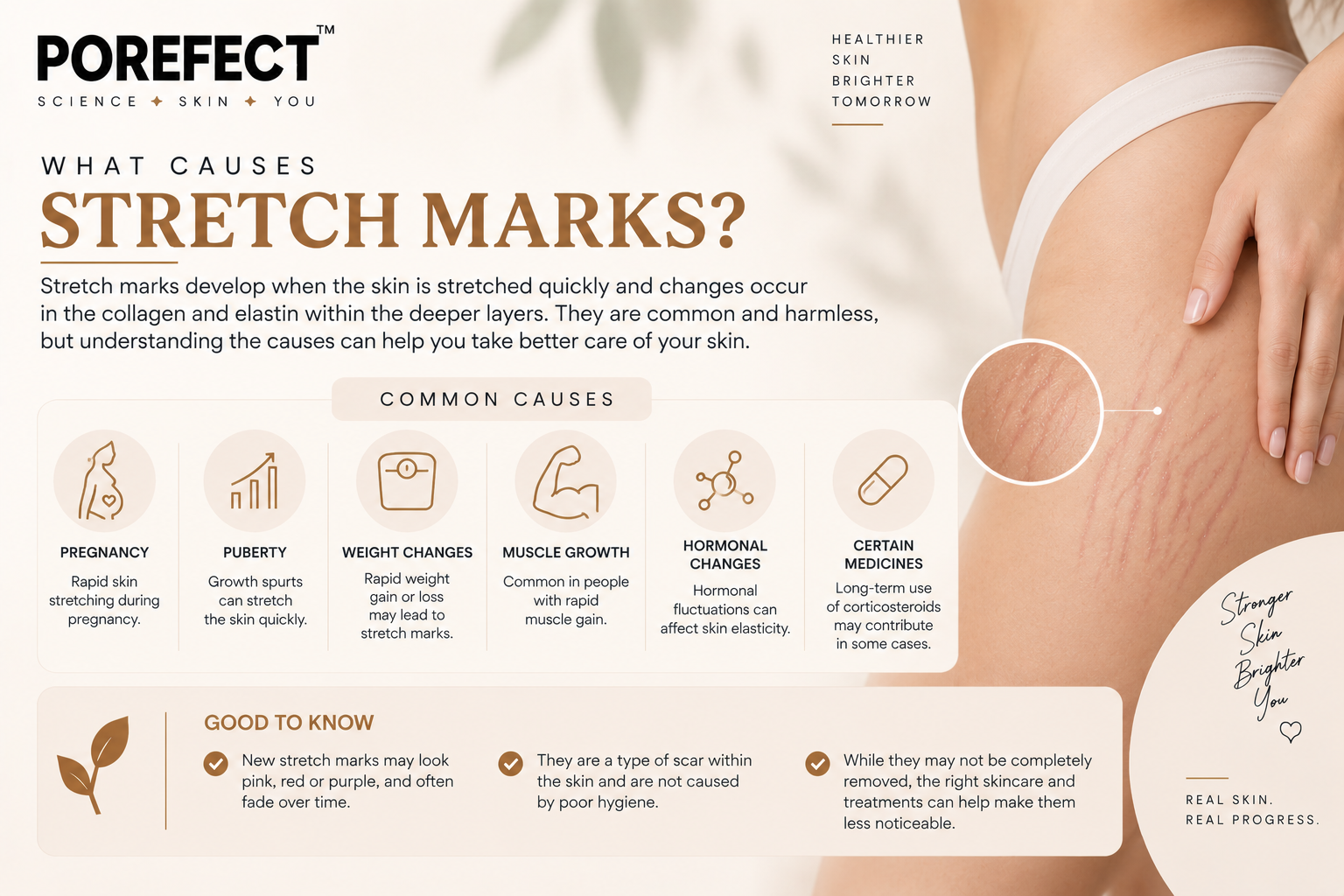
Stretch marks develop when the skin is stretched quickly and changes occur in collagen and elastin within the deeper layers of the skin.
Common situations associated with stretch marks include:
- Pregnancy
- Puberty and growth spurts
- Rapid weight gain or loss
- Significant muscle growth
- Certain hormonal changes
- Prolonged use of corticosteroid medicines in some cases
New stretch marks may initially appear pink, red, purple, or darker than the surrounding skin. Over time, they often become lighter and less noticeable.
Can Stretch Marks Be Removed Completely?
Despite the term stretch mark removal, completely eliminating established stretch marks is difficult. Most treatments focus on making them less visible by improving their texture, colour, or overall appearance.
Newer stretch marks may respond differently from older, pale stretch marks. This is one reason early evaluation can be useful if the marks are particularly noticeable or developing quickly.
A realistic goal of stretch mark removal treatment is fading and improving the appearance of stretch marks rather than expecting complete removal.
Best Stretch Mark Treatment Options
There is no single best stretch mark treatment for everyone. The appropriate option depends on the age and appearance of the marks, skin type, pregnancy status, and individual treatment goals.
Topical Creams and Moisturizers
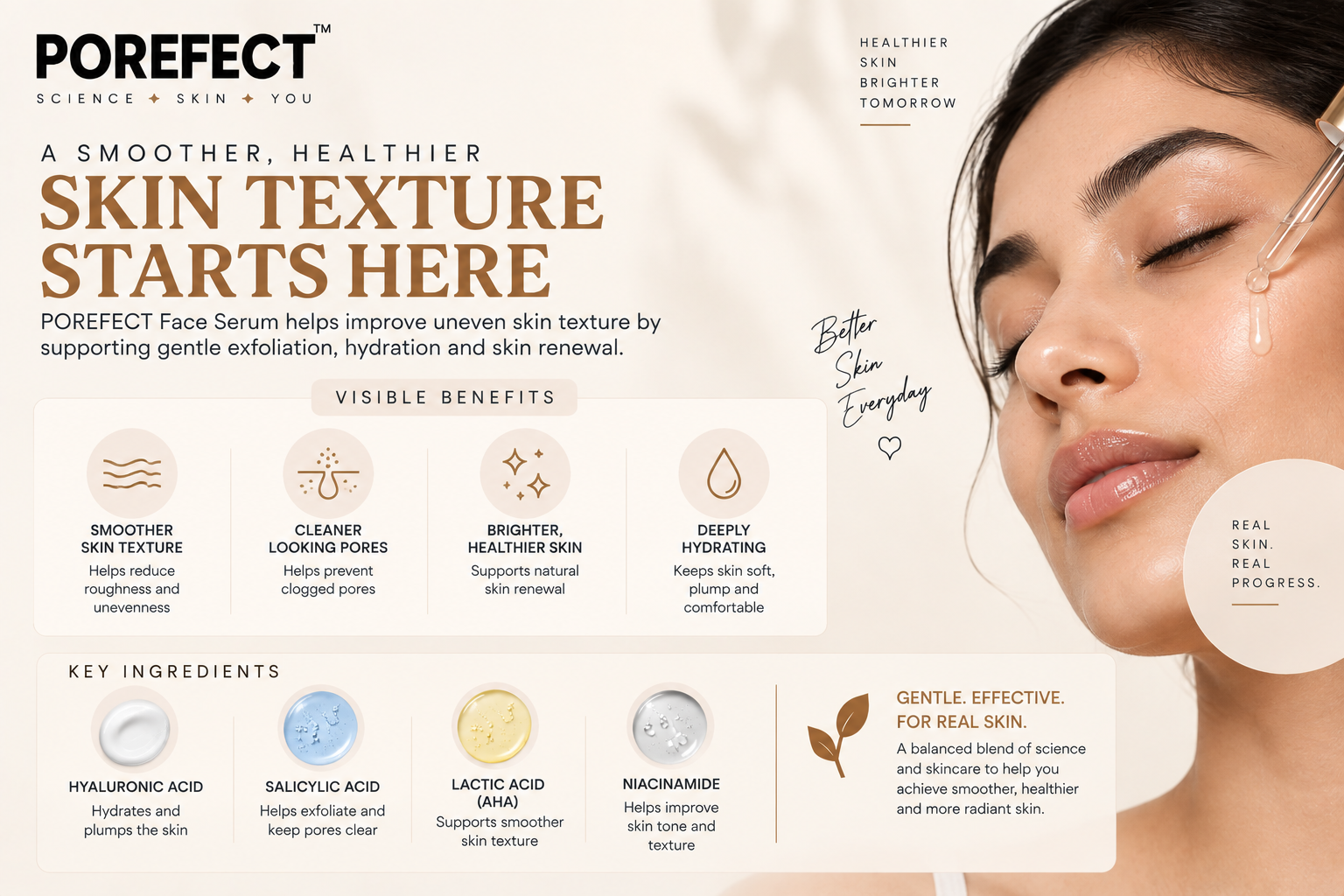
Moisturizers can improve skin comfort and hydration, particularly when the skin feels dry or stretched. Ingredients such as hyaluronic acid may help support skin hydration and improve the way the skin feels.
A hyaluronic acid stretch mark cream can therefore be considered as part of a basic skincare routine, although hydration alone should not be expected to remove established stretch marks.
Retinoid Cream for Stretch Marks
Retinoids, including tretinoin, have been studied for newer stretch marks because they can influence collagen production and skin cell turnover.
However, a retinoid cream for stretch marks is not suitable for everyone. Most importantly, topical retinoids should generally be avoided during pregnancy and require medical guidance in many situations.
If you are considering a retinoid for stretch marks, consult a dermatologist rather than self-treating with prescription-strength products.
Procedures Performed by Dermatologists
For people seeking more noticeable improvement, dermatological procedures may be considered. Depending on the type of stretch marks and individual skin characteristics, a dermatologist may discuss options such as laser treatments, microneedling, radiofrequency-based procedures, or other techniques.
These treatments work differently and are not appropriate for every skin type. A professional assessment helps determine which approach is suitable and can reduce the risk of complications such as pigmentation changes.
Stretch Mark Removal: What Treatment Options Are Available?
Established stretch marks generally cannot be completely erased, but their appearance may be improved. Depending on the type and age of the marks, stretch mark removal may involve selected topical products or dermatologist-performed procedures.
Topical options may include moisturizers or, in selected cases, prescription retinoids. In-office treatments such as microneedling, laser therapy, or radiofrequency-based procedures may be considered when greater cosmetic improvement is desired.
The choice should be individualized because skin type, pigmentation risk, pregnancy status, and the characteristics of the stretch marks all matter. The goal is cosmetic improvement rather than guaranteed or permanent removal.
Stretch Mark Cream During Pregnancy: What Should You Know?
Pregnancy is one of the most common times for stretch marks to develop. Many people search for a stretch mark cream during pregnancy that can prevent or reduce them.
Regular moisturizing can help keep the skin comfortable and reduce dryness, but no cream can reliably guarantee prevention of stretch marks.
When choosing skincare during pregnancy, check the ingredients carefully. Retinoids should be avoided during pregnancy. If you are pregnant or breastfeeding and are considering an active, medicated, or prescription treatment, discuss the product with your doctor or dermatologist first so its suitability can be assessed.
A simple routine involving gentle cleansing, regular moisturization, and appropriate sun protection is generally easier to maintain than using multiple active products.
What About the Best Stretch Mark Removal Cream?
Searches for the best stretch mark removal cream are common, but there is no universally best cream for every person.
When choosing a product, consider:
- The age and appearance of the stretch marks
- Your skin sensitivity
- Whether you are pregnant or breastfeeding
- The active ingredients
- How frequently you can comfortably use the product
A moisturizer containing ingredients such as hyaluronic acid may support hydration, while certain prescription treatments may be considered for selected newer stretch marks under professional supervision.
Be cautious with products that promise complete or permanent stretch mark removal.
Can a Derma Roller Remove Stretch Marks?
A derma roller for stretch marks is designed to create tiny punctures in the skin. Microneedling performed professionally may stimulate a wound-healing response and collagen remodeling.
However, using a derma roller at home carries risks, including infection, irritation, scarring, and post-inflammatory pigmentation. The depth and technique matter, particularly for people with darker or pigmentation-prone skin.
For this reason, professional microneedling is generally preferable to unsupervised home treatment when considering this type of stretch mark removal procedure.
How to Care for Stretch Marks at Home
If you are looking for ways to get rid of stretch marks at home, focus on realistic skincare rather than aggressive treatments. A simple routine can support hydration and overall skin comfort while you consider appropriate stretch mark removal options.
Morning
- Gentle cleansing if needed
- Hydrating moisturizer
- Sunscreen on exposed areas
Night
- Gentle cleansing
- Moisturizer or suitable hydrating product
- Dermatologist-recommended treatment if prescribed
Avoid aggressive scrubbing or irritating products. Stretch marks cannot be safely removed by physically rubbing or peeling the skin.
Can Stretch Marks Be Prevented?
Prevention is not always possible because genetics, hormones, and the degree of skin stretching all influence their development.
During periods of rapid body change, maintaining comfortable skin hydration may help reduce dryness and itching. A balanced diet and healthy lifestyle support overall health and general skin function, but they cannot reliably prevent stretch marks.
Even people who take excellent care of their skin can develop stretch marks.
When Should You See a Dermatologist?
Consider professional assessment if stretch marks appear suddenly, are extensive, develop without an obvious reason, or are accompanied by other unusual symptoms.
A dermatologist can assess the marks and discuss whether topical treatment or a procedure may be appropriate. Professional guidance is particularly important before using retinoids or undergoing treatments such as microneedling or laser procedures.
Frequently Asked Questions About Stretch Mark Removal
What is the best way to remove stretch marks?
Established stretch marks usually cannot be completely removed. Stretch mark removal treatment focuses on making them less noticeable. Options may include selected topical treatments and dermatologist-performed procedures.
Does hyaluronic acid help stretch marks?
A stretch mark cream with hyaluronic acid can improve skin hydration and may make the skin feel smoother, but it should not be expected to erase established stretch marks.
Can retinoid cream remove stretch marks?
Retinoids may improve the appearance of some newer stretch marks, but they are not suitable for everyone and should not be used during pregnancy.
Is a derma roller effective for stretch marks?
Professional microneedling may improve the appearance of some stretch marks. Home derma rolling has safety risks and should not be treated as equivalent to professional treatment.
Does stretch mark removal work permanently?
Established stretch marks are difficult to erase completely. Most stretch mark removal approaches aim to reduce their visibility and improve their overall appearance rather than guarantee permanent removal.
Conclusion
Effective stretch mark removal is usually about improving appearance rather than completely erasing the marks. Moisturization and ingredients such as hyaluronic acid can support skin hydration, while selected retinoid treatments or dermatological procedures may be appropriate in certain cases.
If you are considering stretch mark removal, choose an approach based on the age and type of marks, your skin characteristics, and your individual circumstances. For pregnancy, prescription treatments, or procedures, professional dermatological advice is the safest way to choose an appropriate option.