Skin Care
Learn what the skin barrier is, how it becomes damaged, common symptoms, repair tips, supportive ingredients, and a simple skincare routine.
Skin Barrier: Causes of Damage, Symptoms, Repair & Treatment
Your skin barrier is the outermost protective layer of your skin. It helps keep moisture inside while protecting the skin from irritants, allergens, and environmental stressors. When this barrier becomes weakened, the skin may feel tight, dry, irritated, or unusually sensitive.
A damaged skin barrier can develop from over-cleansing, excessive exfoliation, harsh skincare products, weather changes, or using too many active ingredients at once. With a simple, consistent routine, the skin barrier can often recover and become more resilient.
What Is the Skin Barrier?
The skin barrier is primarily formed by the outermost part of the epidermis, particularly the stratum corneum. It contains skin cells surrounded by lipids such as ceramides, cholesterol, and fatty acids.
Think of it as a protective wall. Healthy barrier function helps prevent excessive water loss and limits the penetration of irritating substances.
When this protective function is disrupted, the skin can lose moisture more easily and become more reactive.
Skin Barrier Damage Symptoms
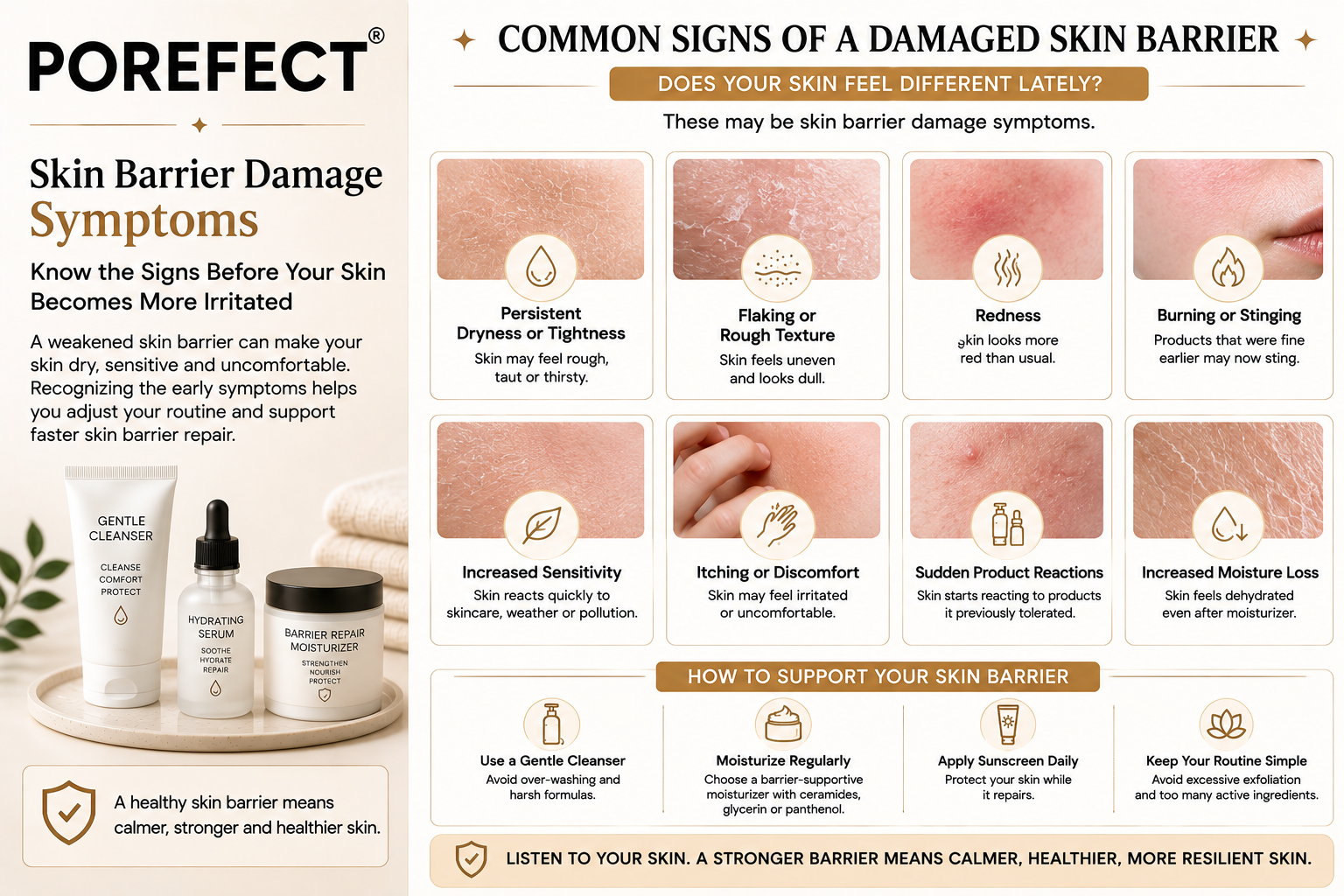
Recognizing skin barrier damage symptoms can help you adjust your skincare routine before irritation becomes more severe.
Common signs include:
- Persistent dryness or tightness
- Flaking or rough texture
- Redness
- Burning or stinging when products are applied
- Increased sensitivity
- Itching or discomfort
- Skin that suddenly reacts to products it previously tolerated
- Increased moisture loss
Not every case of redness or dryness means the barrier is damaged. Conditions such as eczema, dermatitis, acne treatments, and other skin disorders can cause similar symptoms. Persistent or severe symptoms should be professionally assessed.
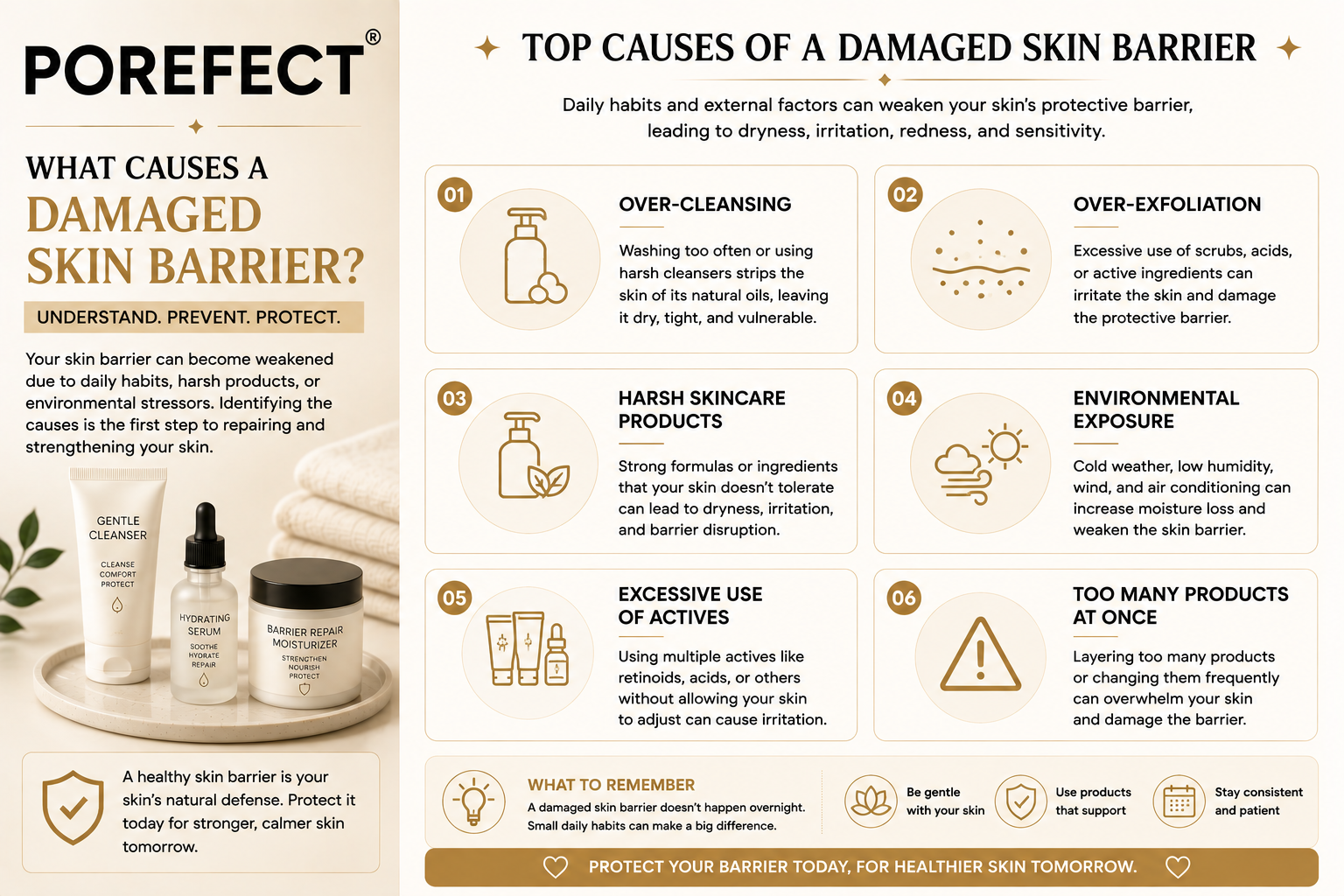
What Causes a Damaged Skin Barrier?
Over-Cleansing
Washing the face too frequently or using a cleanser that leaves the skin feeling stripped can remove some of the skin's protective lipids.
Over-Exfoliation
Frequent use of scrubs, exfoliating acids, or other active ingredients can irritate the skin, particularly when several are combined.
Harsh Skincare Products
Strong formulations, especially when poorly tolerated, may cause dryness or irritation. A product does not need to feel harsh to be effective.
Environmental Exposure
Cold weather, low humidity, wind, and prolonged exposure to air conditioning can increase moisture loss from the skin.
Excessive Use of Actives
Using multiple products containing retinoids, acids, or other potent ingredients without allowing the skin to adjust can increase irritation.
How to Repair Skin Barrier
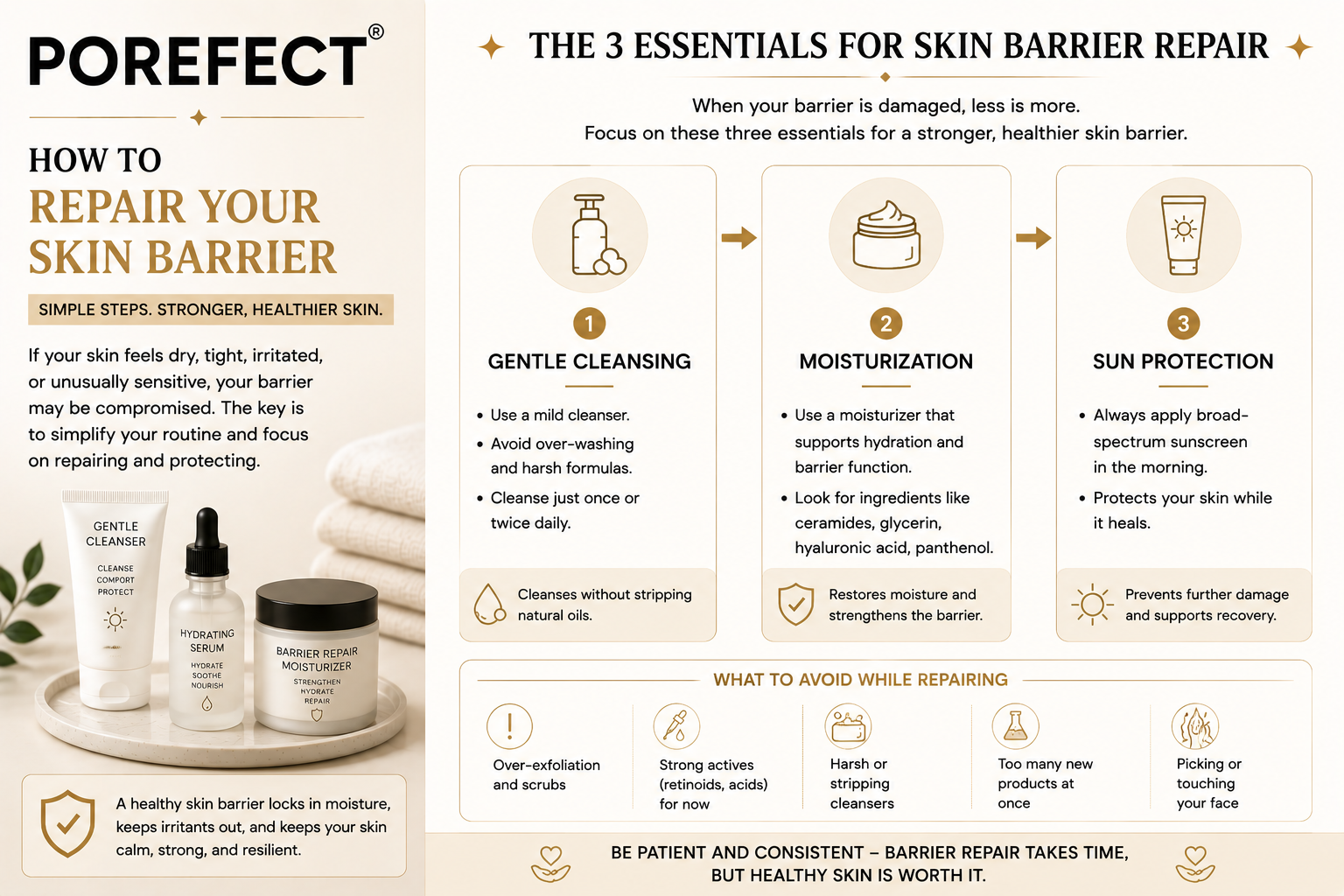
If you are wondering how to repair skin barrier, start by simplifying your routine.
For a short period, focus on three essentials:
- Gentle cleansing: Use a mild cleanser and avoid excessive washing.
- Moisturization: Choose a moisturizer that supports hydration and barrier function.
- Sun protection: Use broad-spectrum sunscreen during the day.
You may also need to temporarily reduce exfoliating acids, scrubs, retinoids, or other irritating actives until your skin feels comfortable again.
The goal of skin barrier repair is not to add more products. It is to reduce unnecessary irritation while supporting the skin's ability to retain moisture.
Ingredients That Can Support Skin Barrier Repair
Certain ingredients are commonly used in skin barrier treatment and moisturization.
Ceramides
Ceramides are naturally occurring skin lipids that help support the structure and function of the skin barrier. Moisturizers containing ceramides can be useful when the skin feels dry or compromised.
Glycerin
Glycerin is a humectant that helps attract water and improve skin hydration. It is found in many moisturizers and gentle skincare formulations.
Hyaluronic Acid
Hyaluronic acid is another humectant that can help increase hydration in the outer layers of the skin. It can be used alongside a moisturizer to support a comfortable, hydrated feel.
Panthenol
Panthenol is commonly used in skincare formulations for its moisturizing and soothing properties and may be useful in routines designed for sensitive or irritated skin.
No single ingredient is necessary for everyone. The overall formulation and how well your skin tolerates it matter more than choosing products based on one ingredient alone.
Simple Skin Barrier Repair Routine
A simple routine is often the most practical approach when your skin feels compromised.
Morning
- Gentle cleanser or water rinse, depending on your skin
- Hydrating serum, if needed
- Barrier-supportive moisturizer
- Broad-spectrum sunscreen
Night
- Gentle cleanser
- Moisturizer
- Optional hydrating or barrier-supportive product
If your skin is irritated, avoid introducing several new products at once. Once the skin feels comfortable again, active ingredients can be gradually reintroduced if appropriate.
How to Strengthen Skin Barrier Over Time
To strengthen skin barrier function, consistency matters more than an elaborate routine.
Try to:
- Cleanse gently
- Moisturize regularly
- Avoid unnecessarily hot water
- Limit excessive exfoliation
- Introduce active ingredients gradually
- Use sunscreen consistently
- Avoid repeatedly changing products
If your skin is oily, do not assume that you should skip moisturizer. Oily skin can still become dehydrated when the barrier is compromised. A lightweight, non-comedogenic moisturizer may be more comfortable.
Common Mistakes During Skin Barrier Repair
A common mistake is trying to fix irritation by adding more active products. This can create a cycle of irritation and further compromise.
Avoid:
- Aggressive scrubbing
- Multiple exfoliating acids
- Excessive cleansing
- Picking or scratching irritated skin
- Very hot water
- Harsh DIY remedies such as lemon juice or baking soda
- Introducing several new products simultaneously
Give your skin time to settle before increasing the complexity of your routine.
When Should You See a Dermatologist?
If burning, redness, itching, scaling, or sensitivity persists despite a gentle skincare routine, consider consulting a dermatologist.
Persistent symptoms may be caused by conditions such as eczema, contact dermatitis, rosacea, or other inflammatory skin disorders rather than a simple barrier problem. A dermatologist can assess the skin and determine whether additional skin barrier treatment or another form of medical care is appropriate.
Frequently Asked Questions
How do I know if I have a damaged skin barrier?
Tightness, dryness, flaking, redness, burning, itching, and increased sensitivity can be signs of barrier disruption. However, these symptoms can have other causes.
How can I repair my skin barrier quickly?
There is no guaranteed quick fix. Simplifying your routine, using a gentle cleanser, moisturizing consistently, and avoiding irritating actives can support recovery.
What is the best skin barrier treatment?
There is no single best treatment for everyone. A gentle routine focused on cleansing, moisturization, and sun protection is a useful foundation. Persistent symptoms may require professional assessment.
Can I use active ingredients with a damaged skin barrier?
If your skin is actively irritated, reducing potentially irritating actives such as exfoliating acids or retinoids may be appropriate until the skin becomes more comfortable. Reintroduce them gradually when tolerated.
Conclusion
A healthy skin barrier is essential for comfortable, resilient skin. When the barrier becomes compromised, the most effective approach is usually to reduce irritation and return to a simple, supportive routine.
If you are looking for how to repair skin barrier, focus on gentle cleansing, consistent moisturization, appropriate sun protection, and gradual use of active ingredients. If symptoms persist, worsen, or are difficult to explain, professional assessment is the safest next step.