Skin Education
Dark Spots on Face: Why They Appear and What You Can Do About Them
Dark spots don't tell the whole story. Understanding why they appear is the first step towards addressing them, whether linked to acne, sun, or hormones.
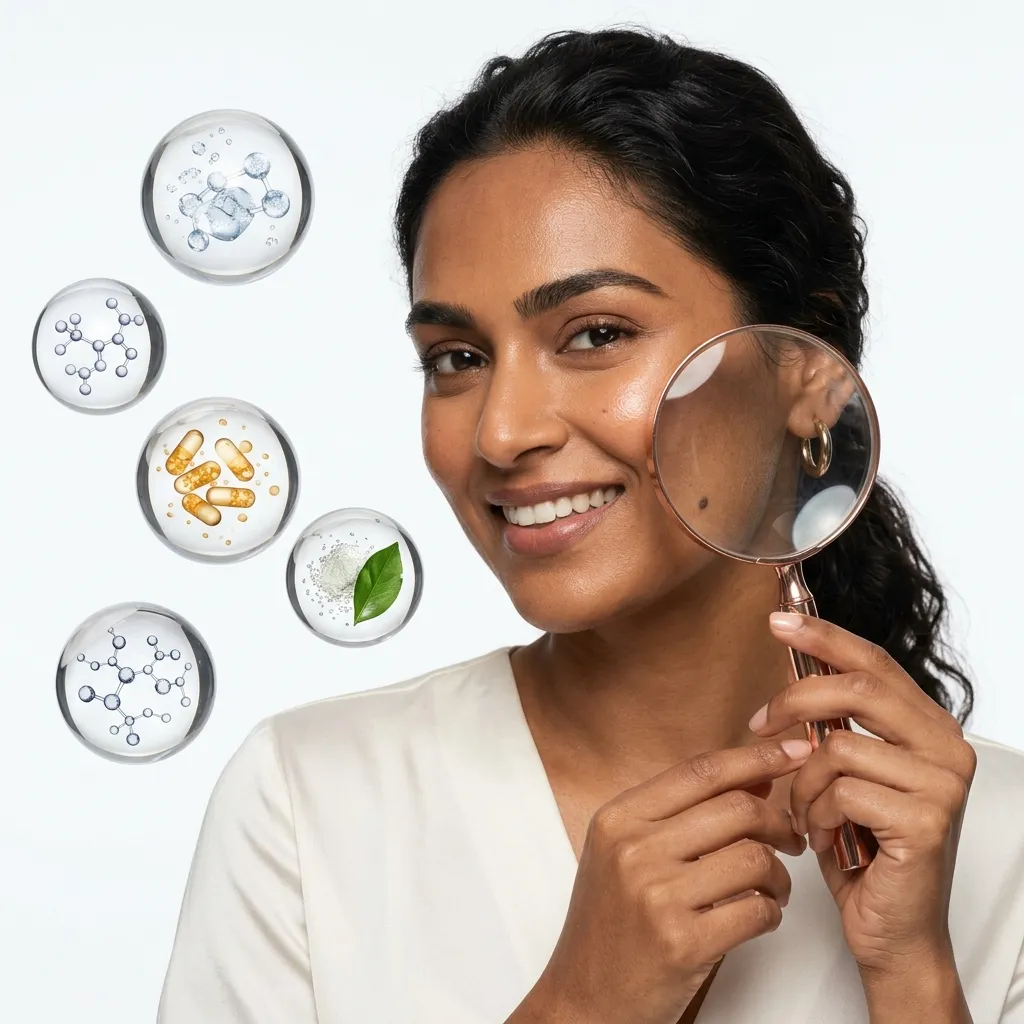 ## Dark Spots Don't Tell The Whole Story
Have you ever felt like your skin has finally healed, only to notice a stubborn dark spot still looking back at you in the mirror?
You're not alone. For many people, dark spots can feel more frustrating than the original breakout itself. They often linger long after acne has healed, a sunny vacation has ended or a skin irritation has settled down. What starts as a small mark can sometimes become a daily reminder every time you look at your reflection.
The good news is that dark spots are a common skin concern, and in many cases, they can become less noticeable over time with the right approach, consistent care and patience.
Understanding why dark spots appear is the first step towards addressing them. Whether they're linked to acne, sun exposure, hormonal changes or everyday skin stress, knowing the cause can help you make informed choices for your skin.
At Porefect, we believe every skin concern has a story. By understanding what's happening beneath the surface, you can move beyond quick fixes and focus on solutions that support healthier-looking, more even-toned skin.
---
## What Are Dark Spots?
Dark spots are areas of skin that appear darker than the surrounding skin. They can show up gradually or appear after acne, sun exposure, skin irritation or other everyday skin concerns.
These marks develop when the skin produces extra melanin—the natural pigment that gives skin its colour—as part of its response to inflammation, injury or environmental factors.
Dark spots can vary in size, shape and colour. Some may be small and barely noticeable, while others can be larger and more persistent.
They commonly appear on areas of the face that are frequently exposed to the sun, including: **Cheeks | Forehead | Nose | Chin | Upper Lip**
While dark spots are usually harmless, they can make the skin appear uneven and may affect how people feel about their complexion. For many, the concern isn't just the spot itself—it's the feeling that their skin no longer looks as clear, balanced or radiant as it once did.
The encouraging news is that understanding what causes dark spots is often the first step towards improving their appearance and supporting healthier-looking, more even-toned skin over time.
---
## Why Do Dark Spots Appear?
### 🔥 After Acne Heals
You've finally managed to get rid of the pimple, only to notice a dark mark taking its place. For many people, the journey doesn't end well when the breakout heals. As your skin repairs itself, it may produce extra melanin—the natural pigment responsible for skin colour—in the affected area. This can leave behind a visible dark spot, often known as a post-acne mark.
These marks are especially common in melanin-rich skin, where the skin's natural healing response can sometimes result in pigmentation that lingers longer than expected.
The good news is that post-acne marks are usually temporary. With patience, consistent skincare and daily sun protection, many people notice these marks gradually becoming less noticeable over time.
In fact, lingering acne marks are one of the most common reasons people seek solutions for dark spots and uneven skin tone.
### ☀ Sun Exposure
That quick trip to the market. The daily commute to work. A morning walk, a weekend outing or a sunny holiday, skin is exposed to sunlight more often than we realize. While these moments may seem harmless, your skin remembers them all.
Everyday exposure to sunlight can gradually encourage the skin to produce more melanin—the natural pigment responsible for skin colour. Over time, this may contribute to the appearance of dark spots, uneven skin tone and pigmentation, especially in areas that receive the most sun exposure. Whether you're driving, walking outdoors or sitting near a window, daily UV exposure can gradually influence how your skin looks.
For many people, this can show up as dark spots, pigmentation and uneven skin tone. That's why sun protection isn't just about preventing sunburn—it's about helping to protect the skin you've worked hard to care for.
### ⚡ Hormonal Changes
Pigmentation isn't always caused by the sun, acne or skincare habits. Sometimes, internal changes within the body can play a role too. Hormonal fluctuations may affect how melanin is produced in certain areas of the skin, contributing to visible dark spots and uneven pigmentation patterns. These changes can be frustrating, but they are also more common than many people realize.
With the right approach and consistent care, many people are able to support healthier-looking, more balanced skin over time.
### 🧴 Skin Irritation
Our skin is remarkably resilient, constantly working to heal and protect itself from everyday stress. However, when the skin becomes irritated from scratching, picking acne, aggressive exfoliation or harsh skincare treatments—it may respond by producing extra melanin as part of its natural healing process. For some people, this can lead to visible dark spots or patches of pigmentation that remain long after the irritation itself has disappeared.
This is especially common in melanin-rich skin, where even minor irritation can sometimes leave behind noticeable marks. The good news is that many of these marks can become less noticeable over time. Treating your skin gently, avoiding unnecessary irritation and following a consistent skincare routine can help support the skin's natural recovery process. Sometimes, helping your skin heal is less about doing more and more about being kind to it.
---
## Why Are Dark Spots Common In Indian Skin?
### The Same Melanin That Protects Your Skin Can Leave Visible Marks Behind
Indian skin is beautifully diverse, with a wide range of natural skin tones. One thing many Indian skin types have in common is a higher amount of melanin—the natural pigment responsible for giving skin its colour. And more importantly lack of awareness to keep your facial skin healthy. Things get wrong when we start expecting quick results. Right serums and treatments, heals your skin over the time.
Melanin plays an important role in helping protect the skin from the effects of sun exposure. However, when the skin experiences triggers such as acne, irritation, inflammation or UV exposure, it may respond by producing even more melanin as part of its natural defence and healing process. This extra pigment can sometimes remain visible long after the original concern has healed, appearing as dark spots, post-acne marks or areas of uneven skin tone.
That's why many people with Indian skin find that pigmentation can be particularly noticeable and may take longer to fade. While this can feel frustrating, it's important to remember that pigmentation is a common concern and improvement is often possible with patience, consistency and the right skincare habits.
Understanding how your skin responds is the first step towards supporting a clearer, more even-looking complexion.
---
## Can Dark Spots Fade?
If you're dealing with dark spots, one of the first questions that may come to mind is: "Will they ever go away?"
The encouraging news is that many dark spots can become less noticeable over time. How quickly a dark spot fades can depend on several factors, including:
- What caused the dark spot in the first place
- How long it has been present
- Daily sun exposure habits
- Skincare consistency
- Individual skin characteristics
Some people notice visible improvements within a few weeks, while others may require several months of consistent care. This is true for pigmentation that has been present for a long time or develops repeatedly due to ongoing triggers.
The most important thing to remember is that healthy-looking skin is often built through small, consistent habits rather than quick fixes. Daily sun protection, a gentle skincare routine and patience can all play an important role in supporting a clearer, more even-looking complexion over time. When it comes to dark spots, progress is often gradual—but gradual progress is still progress.
Your skin didn't develop these marks overnight, and it may not lose them overnight either. Be patient with your skin—it's working harder than you think.
---
## Habits to Follow on Daily Routine
### ☀ Wear Sunscreen Daily
Whether you're using serums, moisturizers or other skincare products, daily sun exposure can affect the results you're hoping to achieve. Sunscreen helps create a layer of protection between your skin and one of the most common causes of dark spots and pigmentation. Making sunscreen a part of your everyday routine isn't just about preventing sunburn—it's about supporting your skin's long-term health and appearance.
### 🚫 Avoid Picking Acne
A pimple appears at the worst possible time, and the temptation to squeeze, scratch or pick at it, can be hard to resist. While it may seem like a quick way to make the breakout disappear, it can sometimes create a new concern altogether. When acne is picked or squeezed, the skin can become more irritated and inflamed. As it heals, it may produce extra melanin, which can leave behind a dark mark long after the pimple itself has gone.
For many people, especially those with melanin-rich skin, these post-acne marks can remain visible for weeks or even months. The kindest thing you can do is by giving your skin time to heal naturally. The less irritation your skin experiences, the better chance it has to recover without leaving a lasting reminder behind.
### 💧 Keep Skin Hydrated
When skin feels dry, tight or uncomfortable, it can be harder for it to look its healthiest. Keeping your skin hydrated helps support its natural protective barrier and contributes to a smoother, more refreshed appearance. While hydration isn't a quick fix for dark spots, it is an important part of maintaining healthy-looking skin and supporting your overall skincare routine.
Many people focus on active ingredients and treatments but overlook one of the basics: hydration. Well-hydrated skin often looks plumper, feels more comfortable and appears more radiant. It's a simple habit that can help support your skin's overall health and resilience.
### 🔄 Follow A Consistent Routine
In the search for faster improvements, many people find themselves switching products frequently, trying new trends or adding multiple treatments at once. However, skin often responds best to a routine that is simple, consistent and given enough time to work.
Your skin needs time to renew itself, respond to ingredients and gradually show visible changes. Rather than chasing every new skincare trend, focus on building healthy daily habits. A gentle routine, daily sun protection and patience can often do more for your skin than constantly changing products.
### 😴 Prioritize Sleep
While you're resting, your skin is busy carrying out many of its natural renewal and repair processes. Apart from serums, moisturizers and skincare routines, important beauty habit is to sleep timely. Quality sleep gives your body and skin the opportunity to recover, recharge and prepare for a new day. While it won't make dark spots disappear overnight, it can help support your skin's overall health and natural renewal processes.
After cleansing, moisturizing and applying your favourite products, there's one final step is “sleep”.
---
## Foods That Support Healthy-Looking Skin
### Vitamin C-Rich Foods
Vitamin C is well known for its role in supporting collagen production and protecting the skin from oxidative stress caused by everyday environmental factors. Including Vitamin C-rich foods as part of a balanced diet can help support overall skin health and contribute to a brighter, healthier-looking complexion.
Some excellent sources include: **Oranges | Amla (Indian Gooseberry) | Guava | Kiwi | Strawberries | Lemons | Papaya**
Among these, Amla and Guava are particularly rich natural sources of Vitamin C and are commonly included in Indian diets. Remember, while Vitamin C-rich foods support skin health, they are not a replacement for a consistent skincare routine, daily sun protection and healthy lifestyle habits.
### 🥕 Colorful Vegetables
The vibrant colours found in many vegetables often come from naturally occurring nutrients and antioxidants that help support overall skin health. Including a variety of colourful vegetables in your daily meals can provide your body with important vitamins and plant compounds that contribute to maintaining healthy-looking skin.
Some excellent choices include: **Carrots | Sweet Potatoes | Pumpkin | Bell Peppers | Tomatoes | Beetroot**
These vegetables are rich in skin-supporting nutrients, including beta-carotene and antioxidants, which help protect the body from everyday environmental stressors. The more colourful your plate, the wider the variety of nutrients your body receives. While vegetables won't make dark spots disappear overnight, they can play a valuable role in supporting your overall health and helping your skin look its best over time.
Think of colourful vegetables as daily nourishment for your skin—simple, natural and beneficial for your overall well-being.
### 🥬 Leafy Greens
Leafy greens are among the most nutrient-dense foods you can include in your diet. Packed with vitamins, minerals and antioxidants, they help support overall health—including the health of your skin. Adding a variety of leafy greens to your meals can provide nutrients that contribute to maintaining healthy-looking, balanced skin and support the body's natural functions.
Some excellent options include: **Spinach | Methi (Fenugreek Leaves) | Kale | Sarson (Mustard Greens) | Bathua | Amaranth Leaves**
These greens are naturally rich in vitamins such as Vitamin A, Vitamin C and Vitamin K, along with antioxidants that help protect the body from everyday environmental stressors. While leafy greens won't directly remove dark spots, they can play an important role in supporting overall skin health as part of a balanced diet and healthy lifestyle.
### 🥜 Healthy Fats
When it comes to healthy-looking skin, certain fats can be an important part of a balanced diet. Healthy fats help support the skin barrier—the protective layer that helps retain moisture and shields the skin from everyday environmental stressors. A well-supported skin barrier often feels more comfortable, appears healthier and is better equipped to maintain its natural balance.
Some excellent sources of healthy fats include: **Almonds | Walnuts | Flaxseeds | Chia Seeds | Pumpkin Seeds | Avocados**
These foods contain beneficial nutrients, including essential fatty acids and antioxidants, that support overall wellness and skin health. While healthy fats won't make dark spots disappear, they can contribute to maintaining hydrated, resilient and healthy-looking skin as part of a nutritious diet and consistent skincare routine.
### 💧 Water
Water may not be the most exciting part of a skincare routine, but it plays an essential role in supporting your body's overall health—including your skin.
Every cell in your body relies on water to function properly. Staying adequately hydrated helps support the skin's natural processes and contributes to skin that feels more comfortable, balanced and healthy. While drinking more water won't magically remove dark spots or pigmentation, proper hydration can help support overall skin function and complement a healthy skincare routine and balanced lifestyle.
Simple habits such as carrying a water bottle, drinking fluids regularly throughout the day and increasing intake during hot weather can help you stay hydrated. Think of water as one of the foundations of healthy-looking skin—simple, accessible and important every day.
---
## Myths vs Facts
---
## Simple Routine For Dark Spots
A balanced routine focused on consistency rather than complexity.
### Morning 🌅
1.
**Gentle Cleanser:** Start your day by cleansing away excess oil, sweat and impurities that may have accumulated overnight. A gentle cleanser helps refresh the skin without disrupting its natural barrier.
2.
**Vitamin C Brightening Serum:** Vitamin C is widely used in skincare routines designed to support brighter-looking skin and a more even complexion. It also provides antioxidant support against everyday environmental stressors.
3.
**Moisturizer:** A good moisturizer helps support the skin barrier, maintain hydration and keep skin feeling comfortable throughout the day.
4.
**Sunscreen:** Think of sunscreen as protection for your progress. Daily sun protection helps shield your skin from UV exposure, one of the most common factors associated with dark spots and uneven skin tone.
### Evening 🌙
1.
**Gentle Cleanser:** At the end of the day, cleanse away sunscreen, pollution, excess oil and daily impurities to create a clean canvas for your evening skincare routine.
2.
**Pigmentation Correcting Serum:** A targeted pigmentation serum can help support a more even-looking complexion and address the appearance of dark spots as part of a consistent skincare routine.
3.
**Moisturizer:** Finish your routine with a moisturizer to help maintain hydration and support the skin's natural overnight recovery process.
---
## What Skin Experts Consistently Agree On
Organizations such as the American Academy of Dermatology and the British Association of Dermatologists consistently emphasize three themes when discussing pigmentation and dark spots:
- ✓ Sun protection is essential.
- ✓ Consistency matters more than quick fixes.
- ✓ Dark spots often improve gradually, not overnight.
## How Porefect Can Help
At Porefect, we understand that dark spots are more than a cosmetic concern—they can affect how you feel about your skin. That's why our focus is on:
- ✓ Understanding the root cause
- ✓ Supporting healthy skin habits
- ✓ Science-backed ingredients
- ✓ Solutions designed for real skin concerns
Explore Pigmentation Solutions
---
## FAQ
#### Are dark spots permanent?
Not always. Many dark spots become less noticeable over time, especially when the underlying cause is addressed and the skin is supported with consistent care. However, every skin journey is different, and the extent of improvement can vary depending on factors such as the cause of the dark spot, how long it has been present and individual skin characteristics.
#### How long do dark spots take to fade?
There is no single timeline that applies to everyone. Some dark spots may begin to improve within a few weeks, while others can take several months to become noticeably lighter. Factors such as sun exposure, skincare consistency and the type of pigmentation can all influence how quickly improvement occurs. Patience and daily sun protection often play an important role.
#### Can sunscreen help with dark spots?
Yes. Daily sun protection is widely considered one of the most important habits for pigmentation-prone skin. Sunscreen helps protect the skin from UV exposure, which can make existing dark spots more noticeable and contribute to the development of new ones. Think of sunscreen as helping to protect the progress you're making with your skincare routine.
#### Can diet remove dark spots?
No single food can remove dark spots. However, a balanced diet rich in fruits, vegetables, healthy fats and adequate hydration can support overall skin health. Healthy-looking skin is often the result of multiple factors working together, including nutrition, skincare habits, sun protection and lifestyle choices.
## Dark Spots Don't Tell The Whole Story
Have you ever felt like your skin has finally healed, only to notice a stubborn dark spot still looking back at you in the mirror?
You're not alone. For many people, dark spots can feel more frustrating than the original breakout itself. They often linger long after acne has healed, a sunny vacation has ended or a skin irritation has settled down. What starts as a small mark can sometimes become a daily reminder every time you look at your reflection.
The good news is that dark spots are a common skin concern, and in many cases, they can become less noticeable over time with the right approach, consistent care and patience.
Understanding why dark spots appear is the first step towards addressing them. Whether they're linked to acne, sun exposure, hormonal changes or everyday skin stress, knowing the cause can help you make informed choices for your skin.
At Porefect, we believe every skin concern has a story. By understanding what's happening beneath the surface, you can move beyond quick fixes and focus on solutions that support healthier-looking, more even-toned skin.
---
## What Are Dark Spots?
Dark spots are areas of skin that appear darker than the surrounding skin. They can show up gradually or appear after acne, sun exposure, skin irritation or other everyday skin concerns.
These marks develop when the skin produces extra melanin—the natural pigment that gives skin its colour—as part of its response to inflammation, injury or environmental factors.
Dark spots can vary in size, shape and colour. Some may be small and barely noticeable, while others can be larger and more persistent.
They commonly appear on areas of the face that are frequently exposed to the sun, including: **Cheeks | Forehead | Nose | Chin | Upper Lip**
While dark spots are usually harmless, they can make the skin appear uneven and may affect how people feel about their complexion. For many, the concern isn't just the spot itself—it's the feeling that their skin no longer looks as clear, balanced or radiant as it once did.
The encouraging news is that understanding what causes dark spots is often the first step towards improving their appearance and supporting healthier-looking, more even-toned skin over time.
---
## Why Do Dark Spots Appear?
### 🔥 After Acne Heals
You've finally managed to get rid of the pimple, only to notice a dark mark taking its place. For many people, the journey doesn't end well when the breakout heals. As your skin repairs itself, it may produce extra melanin—the natural pigment responsible for skin colour—in the affected area. This can leave behind a visible dark spot, often known as a post-acne mark.
These marks are especially common in melanin-rich skin, where the skin's natural healing response can sometimes result in pigmentation that lingers longer than expected.
The good news is that post-acne marks are usually temporary. With patience, consistent skincare and daily sun protection, many people notice these marks gradually becoming less noticeable over time.
In fact, lingering acne marks are one of the most common reasons people seek solutions for dark spots and uneven skin tone.
### ☀ Sun Exposure
That quick trip to the market. The daily commute to work. A morning walk, a weekend outing or a sunny holiday, skin is exposed to sunlight more often than we realize. While these moments may seem harmless, your skin remembers them all.
Everyday exposure to sunlight can gradually encourage the skin to produce more melanin—the natural pigment responsible for skin colour. Over time, this may contribute to the appearance of dark spots, uneven skin tone and pigmentation, especially in areas that receive the most sun exposure. Whether you're driving, walking outdoors or sitting near a window, daily UV exposure can gradually influence how your skin looks.
For many people, this can show up as dark spots, pigmentation and uneven skin tone. That's why sun protection isn't just about preventing sunburn—it's about helping to protect the skin you've worked hard to care for.
### ⚡ Hormonal Changes
Pigmentation isn't always caused by the sun, acne or skincare habits. Sometimes, internal changes within the body can play a role too. Hormonal fluctuations may affect how melanin is produced in certain areas of the skin, contributing to visible dark spots and uneven pigmentation patterns. These changes can be frustrating, but they are also more common than many people realize.
With the right approach and consistent care, many people are able to support healthier-looking, more balanced skin over time.
### 🧴 Skin Irritation
Our skin is remarkably resilient, constantly working to heal and protect itself from everyday stress. However, when the skin becomes irritated from scratching, picking acne, aggressive exfoliation or harsh skincare treatments—it may respond by producing extra melanin as part of its natural healing process. For some people, this can lead to visible dark spots or patches of pigmentation that remain long after the irritation itself has disappeared.
This is especially common in melanin-rich skin, where even minor irritation can sometimes leave behind noticeable marks. The good news is that many of these marks can become less noticeable over time. Treating your skin gently, avoiding unnecessary irritation and following a consistent skincare routine can help support the skin's natural recovery process. Sometimes, helping your skin heal is less about doing more and more about being kind to it.
---
## Why Are Dark Spots Common In Indian Skin?
### The Same Melanin That Protects Your Skin Can Leave Visible Marks Behind
Indian skin is beautifully diverse, with a wide range of natural skin tones. One thing many Indian skin types have in common is a higher amount of melanin—the natural pigment responsible for giving skin its colour. And more importantly lack of awareness to keep your facial skin healthy. Things get wrong when we start expecting quick results. Right serums and treatments, heals your skin over the time.
Melanin plays an important role in helping protect the skin from the effects of sun exposure. However, when the skin experiences triggers such as acne, irritation, inflammation or UV exposure, it may respond by producing even more melanin as part of its natural defence and healing process. This extra pigment can sometimes remain visible long after the original concern has healed, appearing as dark spots, post-acne marks or areas of uneven skin tone.
That's why many people with Indian skin find that pigmentation can be particularly noticeable and may take longer to fade. While this can feel frustrating, it's important to remember that pigmentation is a common concern and improvement is often possible with patience, consistency and the right skincare habits.
Understanding how your skin responds is the first step towards supporting a clearer, more even-looking complexion.
---
## Can Dark Spots Fade?
If you're dealing with dark spots, one of the first questions that may come to mind is: "Will they ever go away?"
The encouraging news is that many dark spots can become less noticeable over time. How quickly a dark spot fades can depend on several factors, including:
- What caused the dark spot in the first place
- How long it has been present
- Daily sun exposure habits
- Skincare consistency
- Individual skin characteristics
Some people notice visible improvements within a few weeks, while others may require several months of consistent care. This is true for pigmentation that has been present for a long time or develops repeatedly due to ongoing triggers.
The most important thing to remember is that healthy-looking skin is often built through small, consistent habits rather than quick fixes. Daily sun protection, a gentle skincare routine and patience can all play an important role in supporting a clearer, more even-looking complexion over time. When it comes to dark spots, progress is often gradual—but gradual progress is still progress.
Your skin didn't develop these marks overnight, and it may not lose them overnight either. Be patient with your skin—it's working harder than you think.
---
## Habits to Follow on Daily Routine
### ☀ Wear Sunscreen Daily
Whether you're using serums, moisturizers or other skincare products, daily sun exposure can affect the results you're hoping to achieve. Sunscreen helps create a layer of protection between your skin and one of the most common causes of dark spots and pigmentation. Making sunscreen a part of your everyday routine isn't just about preventing sunburn—it's about supporting your skin's long-term health and appearance.
### 🚫 Avoid Picking Acne
A pimple appears at the worst possible time, and the temptation to squeeze, scratch or pick at it, can be hard to resist. While it may seem like a quick way to make the breakout disappear, it can sometimes create a new concern altogether. When acne is picked or squeezed, the skin can become more irritated and inflamed. As it heals, it may produce extra melanin, which can leave behind a dark mark long after the pimple itself has gone.
For many people, especially those with melanin-rich skin, these post-acne marks can remain visible for weeks or even months. The kindest thing you can do is by giving your skin time to heal naturally. The less irritation your skin experiences, the better chance it has to recover without leaving a lasting reminder behind.
### 💧 Keep Skin Hydrated
When skin feels dry, tight or uncomfortable, it can be harder for it to look its healthiest. Keeping your skin hydrated helps support its natural protective barrier and contributes to a smoother, more refreshed appearance. While hydration isn't a quick fix for dark spots, it is an important part of maintaining healthy-looking skin and supporting your overall skincare routine.
Many people focus on active ingredients and treatments but overlook one of the basics: hydration. Well-hydrated skin often looks plumper, feels more comfortable and appears more radiant. It's a simple habit that can help support your skin's overall health and resilience.
### 🔄 Follow A Consistent Routine
In the search for faster improvements, many people find themselves switching products frequently, trying new trends or adding multiple treatments at once. However, skin often responds best to a routine that is simple, consistent and given enough time to work.
Your skin needs time to renew itself, respond to ingredients and gradually show visible changes. Rather than chasing every new skincare trend, focus on building healthy daily habits. A gentle routine, daily sun protection and patience can often do more for your skin than constantly changing products.
### 😴 Prioritize Sleep
While you're resting, your skin is busy carrying out many of its natural renewal and repair processes. Apart from serums, moisturizers and skincare routines, important beauty habit is to sleep timely. Quality sleep gives your body and skin the opportunity to recover, recharge and prepare for a new day. While it won't make dark spots disappear overnight, it can help support your skin's overall health and natural renewal processes.
After cleansing, moisturizing and applying your favourite products, there's one final step is “sleep”.
---
## Foods That Support Healthy-Looking Skin
### Vitamin C-Rich Foods
Vitamin C is well known for its role in supporting collagen production and protecting the skin from oxidative stress caused by everyday environmental factors. Including Vitamin C-rich foods as part of a balanced diet can help support overall skin health and contribute to a brighter, healthier-looking complexion.
Some excellent sources include: **Oranges | Amla (Indian Gooseberry) | Guava | Kiwi | Strawberries | Lemons | Papaya**
Among these, Amla and Guava are particularly rich natural sources of Vitamin C and are commonly included in Indian diets. Remember, while Vitamin C-rich foods support skin health, they are not a replacement for a consistent skincare routine, daily sun protection and healthy lifestyle habits.
### 🥕 Colorful Vegetables
The vibrant colours found in many vegetables often come from naturally occurring nutrients and antioxidants that help support overall skin health. Including a variety of colourful vegetables in your daily meals can provide your body with important vitamins and plant compounds that contribute to maintaining healthy-looking skin.
Some excellent choices include: **Carrots | Sweet Potatoes | Pumpkin | Bell Peppers | Tomatoes | Beetroot**
These vegetables are rich in skin-supporting nutrients, including beta-carotene and antioxidants, which help protect the body from everyday environmental stressors. The more colourful your plate, the wider the variety of nutrients your body receives. While vegetables won't make dark spots disappear overnight, they can play a valuable role in supporting your overall health and helping your skin look its best over time.
Think of colourful vegetables as daily nourishment for your skin—simple, natural and beneficial for your overall well-being.
### 🥬 Leafy Greens
Leafy greens are among the most nutrient-dense foods you can include in your diet. Packed with vitamins, minerals and antioxidants, they help support overall health—including the health of your skin. Adding a variety of leafy greens to your meals can provide nutrients that contribute to maintaining healthy-looking, balanced skin and support the body's natural functions.
Some excellent options include: **Spinach | Methi (Fenugreek Leaves) | Kale | Sarson (Mustard Greens) | Bathua | Amaranth Leaves**
These greens are naturally rich in vitamins such as Vitamin A, Vitamin C and Vitamin K, along with antioxidants that help protect the body from everyday environmental stressors. While leafy greens won't directly remove dark spots, they can play an important role in supporting overall skin health as part of a balanced diet and healthy lifestyle.
### 🥜 Healthy Fats
When it comes to healthy-looking skin, certain fats can be an important part of a balanced diet. Healthy fats help support the skin barrier—the protective layer that helps retain moisture and shields the skin from everyday environmental stressors. A well-supported skin barrier often feels more comfortable, appears healthier and is better equipped to maintain its natural balance.
Some excellent sources of healthy fats include: **Almonds | Walnuts | Flaxseeds | Chia Seeds | Pumpkin Seeds | Avocados**
These foods contain beneficial nutrients, including essential fatty acids and antioxidants, that support overall wellness and skin health. While healthy fats won't make dark spots disappear, they can contribute to maintaining hydrated, resilient and healthy-looking skin as part of a nutritious diet and consistent skincare routine.
### 💧 Water
Water may not be the most exciting part of a skincare routine, but it plays an essential role in supporting your body's overall health—including your skin.
Every cell in your body relies on water to function properly. Staying adequately hydrated helps support the skin's natural processes and contributes to skin that feels more comfortable, balanced and healthy. While drinking more water won't magically remove dark spots or pigmentation, proper hydration can help support overall skin function and complement a healthy skincare routine and balanced lifestyle.
Simple habits such as carrying a water bottle, drinking fluids regularly throughout the day and increasing intake during hot weather can help you stay hydrated. Think of water as one of the foundations of healthy-looking skin—simple, accessible and important every day.
---
## Myths vs Facts
---
## Simple Routine For Dark Spots
A balanced routine focused on consistency rather than complexity.
### Morning 🌅
1.
**Gentle Cleanser:** Start your day by cleansing away excess oil, sweat and impurities that may have accumulated overnight. A gentle cleanser helps refresh the skin without disrupting its natural barrier.
2.
**Vitamin C Brightening Serum:** Vitamin C is widely used in skincare routines designed to support brighter-looking skin and a more even complexion. It also provides antioxidant support against everyday environmental stressors.
3.
**Moisturizer:** A good moisturizer helps support the skin barrier, maintain hydration and keep skin feeling comfortable throughout the day.
4.
**Sunscreen:** Think of sunscreen as protection for your progress. Daily sun protection helps shield your skin from UV exposure, one of the most common factors associated with dark spots and uneven skin tone.
### Evening 🌙
1.
**Gentle Cleanser:** At the end of the day, cleanse away sunscreen, pollution, excess oil and daily impurities to create a clean canvas for your evening skincare routine.
2.
**Pigmentation Correcting Serum:** A targeted pigmentation serum can help support a more even-looking complexion and address the appearance of dark spots as part of a consistent skincare routine.
3.
**Moisturizer:** Finish your routine with a moisturizer to help maintain hydration and support the skin's natural overnight recovery process.
---
## What Skin Experts Consistently Agree On
Organizations such as the American Academy of Dermatology and the British Association of Dermatologists consistently emphasize three themes when discussing pigmentation and dark spots:
- ✓ Sun protection is essential.
- ✓ Consistency matters more than quick fixes.
- ✓ Dark spots often improve gradually, not overnight.
## How Porefect Can Help
At Porefect, we understand that dark spots are more than a cosmetic concern—they can affect how you feel about your skin. That's why our focus is on:
- ✓ Understanding the root cause
- ✓ Supporting healthy skin habits
- ✓ Science-backed ingredients
- ✓ Solutions designed for real skin concerns
Explore Pigmentation Solutions
---
## FAQ
#### Are dark spots permanent?
Not always. Many dark spots become less noticeable over time, especially when the underlying cause is addressed and the skin is supported with consistent care. However, every skin journey is different, and the extent of improvement can vary depending on factors such as the cause of the dark spot, how long it has been present and individual skin characteristics.
#### How long do dark spots take to fade?
There is no single timeline that applies to everyone. Some dark spots may begin to improve within a few weeks, while others can take several months to become noticeably lighter. Factors such as sun exposure, skincare consistency and the type of pigmentation can all influence how quickly improvement occurs. Patience and daily sun protection often play an important role.
#### Can sunscreen help with dark spots?
Yes. Daily sun protection is widely considered one of the most important habits for pigmentation-prone skin. Sunscreen helps protect the skin from UV exposure, which can make existing dark spots more noticeable and contribute to the development of new ones. Think of sunscreen as helping to protect the progress you're making with your skincare routine.
#### Can diet remove dark spots?
No single food can remove dark spots. However, a balanced diet rich in fruits, vegetables, healthy fats and adequate hydration can support overall skin health. Healthy-looking skin is often the result of multiple factors working together, including nutrition, skincare habits, sun protection and lifestyle choices.